The wholesome city —
and the first teacher
of healing.
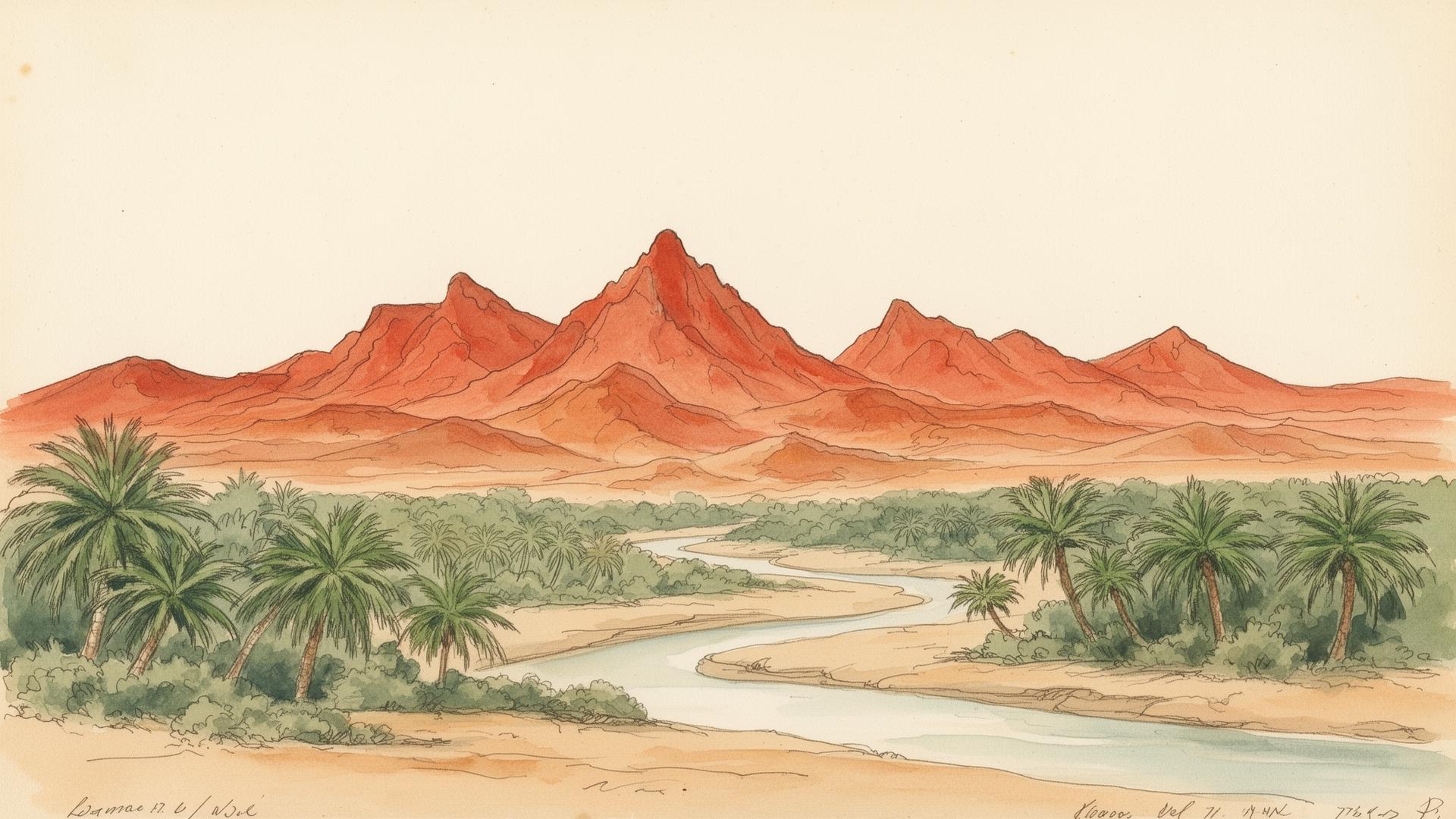
Before the Hijrah it was called Yathrib. The Prophet ﷺ renamed it Tayyibah — the wholesome — and then Al-Madinah Al-Munawwarah, the radiant city. Healing has been written into the name of this place for more than fourteen hundred years.
Her name meant healing. She taught the first generation of Muslims to read.
Al-Shifa bint Abdullah al-Adawiyya — a companion of the Prophet ﷺ — taught reading, writing, and the medical practice of her time to the early Muslim community of Madinah, including Hafsa bint Umar, mother of the believers. The first teacher of healing in the city we are returning to was a woman whose name meant cure. We are not naming this project lightly.
A city of 1.5 million, hosting tens of millions a year.
Madinah's permanent population sits at roughly 1.5 million, swelled annually by an estimated 8–10 million pilgrims and visitors. International connectivity is anchored by Prince Mohammad bin Abdulaziz International Airport — one of the Kingdom's fastest-growing gateways — and by the Haramain high-speed rail, which connects Madinah to Makkah, Jeddah, and KAEC in under two hours.
A masterplan that already names biotech as a pillar.
The Madinah Knowledge Economic City masterplan formally designates a Centre for Medical Sciences and Biotechnology within its boundaries. The City of Healing is structured to activate that mandate as operating partner — not to build from absence, but to give shape to an existing national commitment.
For the first time, global capital can hold equity in a Madinah-domiciled platform.
The Economic Cities and Special Zones Authority (ECZA) administers a framework that permits one-hundred-percent foreign ownership, profit repatriation, fast-tracked permitting, and a clear regulatory perimeter for clinical and biomanufacturing activity. The City of Healing operates inside that perimeter.
The investment structure